People · 1876–1915
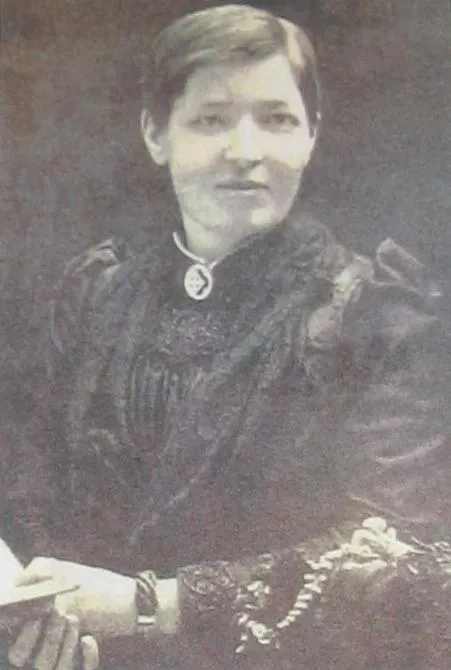
Image: Mary Slessor.jpg — unknown, Public domain · source
A Scottish mill girl spent forty years in Calabar and became the guardian of babies others had been taught to fear.
Mary Slessor grew up poor in Dundee, Scotland, working in a jute mill from the age of eleven. In 1876, aged 27, she sailed to Calabar as a missionary, where she would spend almost the rest of her life.
In parts of the region at the time, twins were believed to bring a curse, and newborn twins were sometimes abandoned and their mothers shunned. Slessor rescued abandoned twins, took them into her home and adopted several of them as her own children.
Unlike many missionaries, she moved inland to Okoyong and later the Enyong area, learned Efik fluently, ate local food and lived simply. The colonial government eventually made her a magistrate, and local people called her 'Eka Kpukpro Owo', mother of all.
Slessor's real power in Okoyong came from trust. People brought their quarrels to her, and she sat as a kind of judge long before the British gave her any title. In 1905 she was formally made vice-president of the native court, which made her one of the first women magistrates in the British Empire.
She was also famously tough. Stories describe her walking barefoot through the forest, sleeping in mud houses and facing down armed men in the middle of disputes. She suffered repeated attacks of malaria and often had to be carried. Still she kept moving further inland, opening schools and homes for women and children who had nowhere else to go.
Her face appeared on a Scottish ten-pound banknote, and in Calabar her grave is still visited.
She died in 1915 at Use Ikot Oku and is buried in Calabar. Schools, a roundabout and a street carry her name. Her story is also complicated: change also came from Efik leaders and families themselves, and she worked within a colonial and missionary system that many Nigerians view critically.