Legend · 1760 or 1804 (tradition) · Tradition
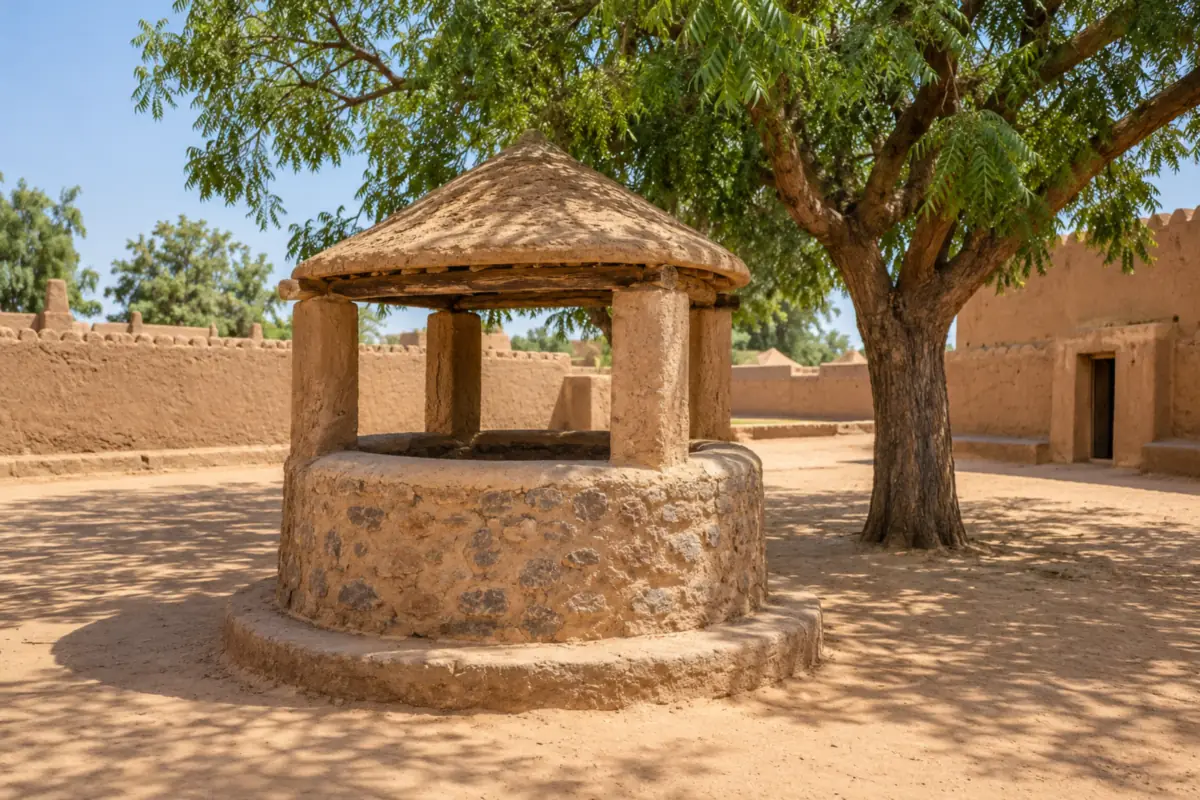
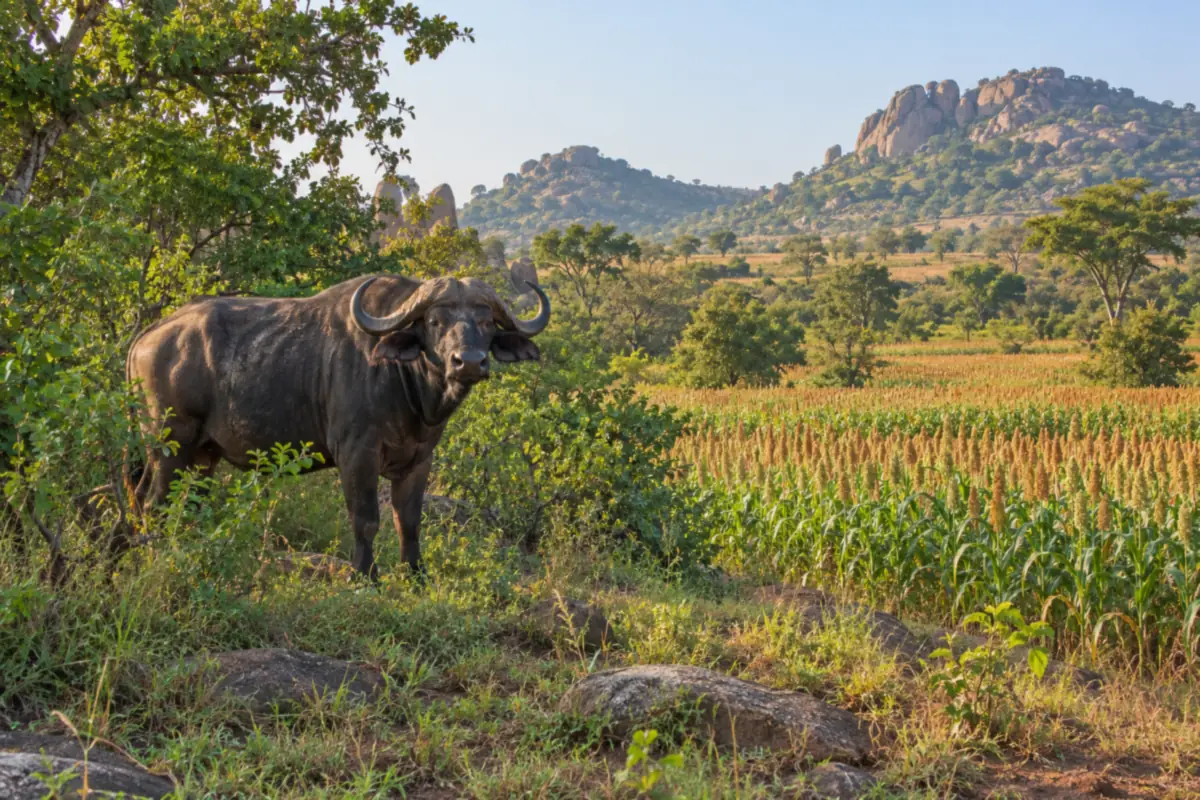
Image: Generated illustration — AI-generated for Naija Tales, reviewed for accuracy, Generated illustration, not a historical photo
Long before it became a cheap-rent escape from Abuja, Kuje was a farming town. Its ruler says the name goes back to one hunter and one very strange animal.
If you live in Abuja, you probably know Kuje as the place people move to when rent in the city gets out of hand. It sits about 40 kilometres south of the city centre and about 10 kilometres from the airport. What most people passing through do not know is that, according to the town's own ruler, its name comes from an animal.
The story belongs to the Gade people. In 2014 the paramount ruler, the Gomo of Kuje, Alhaji Haruna Tanko Jibrin, told it to Sunday Trust. He said his people had come from Kano, stopped for a while at Doma, and only later settled where Kuje stands today.
At the centre of the story are two brave brothers, Kafati and Kawakawa. Kafati was the elder. He chose to settle at a place that is now Karshi, in the Abuja Municipal Area Council. Kawakawa, the younger one, was not ready to stop. He was a hunter, and he pushed on beyond his brother's homestead on a hunting trip.
Somewhere out there he caught a buffalo. It was not an ordinary one. In the Gomo's telling it was a very big buffalo with no hair, and it was called Kujeje. Catching it made Kawakawa famous. People started to call him by the animal's name, and the feat earned him the leadership of the area. Over time Kujeje was shortened to Kuje, and that is the name the town still carries.
It is worth being honest about what kind of story this is. It is tradition, passed down in a royal family and told by a ruler about his own ancestors. Nobody can check whether a hairless buffalo really walked the plains south of Abuja. But place names in Nigeria often hold this kind of memory, of the first hunter, the first catch, the moment a wild place became somebody's home.
Here is where the story gets interesting in a different way. The Gomo gave Sunday Trust some dates. He said the Gade settled briefly in Doma around 750 AD, and finally settled at Kuje in 1804. Those are very precise numbers for a journey told by word of mouth, and they leave a gap of more than a thousand years between the stop at Doma and the arrival at Kuje.
He also told Sunday Trust where he fits in the line. He took the throne of his forefathers in 2001, and he called himself the 16th Gomo of Kuje. Speaking to another paper, Blueprint, the same ruler again said he was the 16th leader, but there he traced Kuje's history back to 1760.
So the same man, describing the same town, gave two founding dates nearly half a century apart. That does not make the story false. It shows how royal histories work. They are remembered, retold and sometimes recalculated, and different listeners write down different versions. Sixteen rulers between the early 1800s and 2001 is perfectly possible. Sixteen rulers since 1760 is possible too. We simply do not know which date is closer to the truth, and we would rather say so than pick one.
What the Gomo was clear about was how his chiefdom keeps the peace. He described a chain that runs from the hamlet head to the village head to the district head, and only then to the palace. If a quarrel cannot be settled at one level, it moves up to the next. When new settlers or herders arrive, he said, leaders are appointed for them, so that there is always someone to call if trouble starts. That system is part of how a small hunting settlement became a place thousands of strangers now live in.
Before the rush, Kuje was small. An original inhabitant, Mai Kasuwa Haske, told Sunday Trust that it used to be a close-knit place known for hard work on the farm. It became known as the food basket of the FCT because of what it grew: yams, maize, guinea corn, beans, tomatoes and groundnuts. He said people came all the way from Lokoja to buy produce in large quantities. There were no proper roads then, and most houses were built of mud.
Then Abuja grew. Squatter settlements along the airport road were demolished, rents in the city climbed, and people looked for somewhere close enough to commute from. Kuje was the obvious answer. An electronics seller, Ikechukwu Uche, said that when he opened his shop ten years earlier he could count the shops in town. By 2014 there were too many to count. A lawyer in the town said he sometimes had up to five clients a month coming from the city looking for a place to rent.
The growth came with real problems. Residents told the paper about a single-lane road where okada riders and cars fought for space, poor water supply, unreliable electricity, bad drainage and rubbish dumped in unfinished buildings. Farmers struggled to get their crops to market on bad roads. In the past, the Gomo said, they carried their produce on foot under the hot sun.
The area council covers more than 1,800 square kilometres and 162 communities, most of them still living off farming. At the 2006 census it had over 420,000 people, and that number has grown a lot since.
So next time you hear someone say they have moved to Kuje because the rent is cheaper, remember that the name they are saying may be the last trace of a hunter called Kawakawa, and the huge hairless buffalo he brought home.