Place name · Ongoing
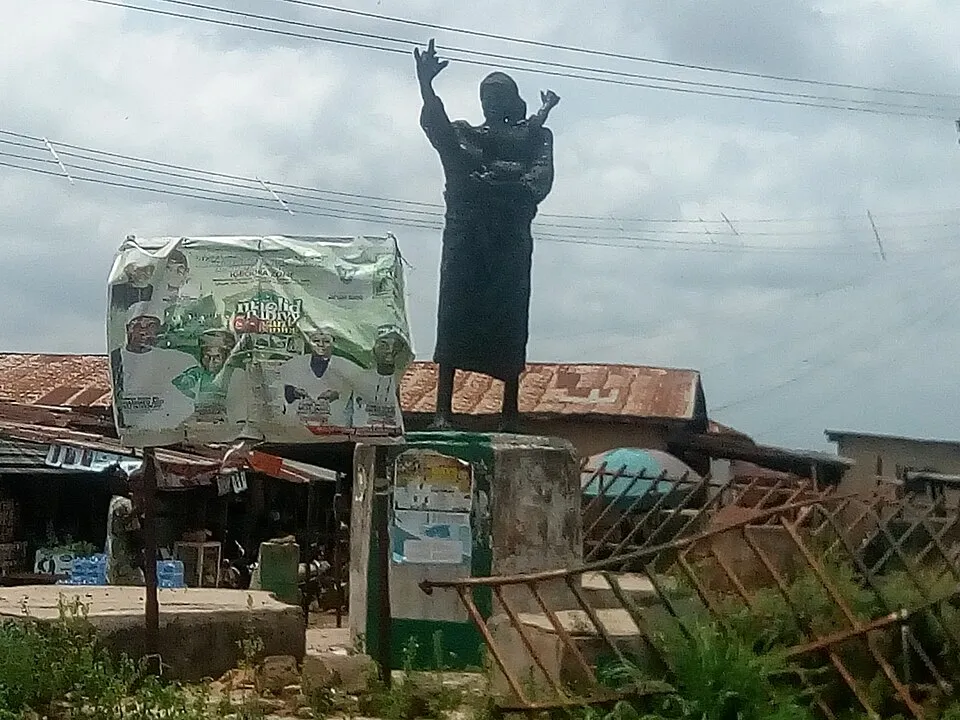
Image: Twins mother statue.jpg — Agbalagba, CC BY-SA 4.0 · source
Igbo-Ora calls itself the twin capital of the world. Is it the yams, the genes, or something else?
In most places, twins turn heads. In Igbo-Ora, a town in the Ibarapa area of Oyo State, they hardly do. So many twins are born there that the town proudly calls itself the twin capital of the world. At the entrance to the town there is a statue of a mother holding up her twins. In 2018 a twins festival in Igbo-Ora drew more than two thousand pairs.
Yoruba people already have more twins than most groups in the world. In Igbo-Ora the number seems even higher, and almost every family can point to a pair.
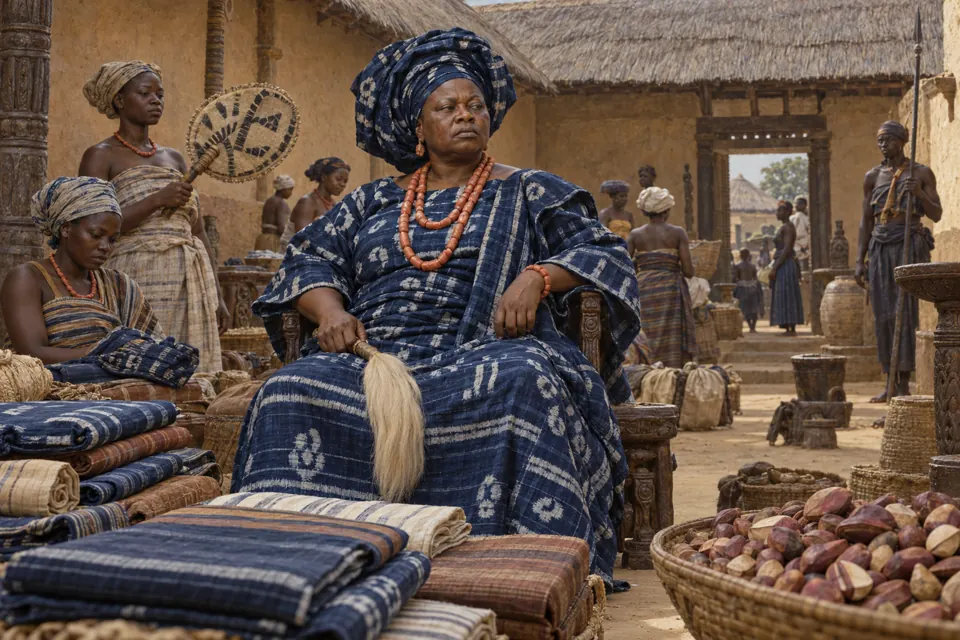
Yoruba twins have special names. The first-born is Taiwo, which means the one who tasted the world first. The second is Kehinde, the one who came after. Many people believe Kehinde is actually the older one, who sent Taiwo ahead to check that the world was safe. Twins are thought to bring good luck, and in the past families carved small wooden figures called ere ibeji to honour them.
Here the story gets interesting, because nobody knows for sure. Many people in Igbo-Ora say it is the food. They eat a lot of yam, and a soup made with okra leaves called ilasa. A study linked with the Lagos University Teaching Hospital suggested that a chemical in the peel of some yams might make women release more than one egg. That idea is popular, but it has not been proven.
Other scientists think it is mainly in the genes, passed down in families. It could also be a bit of both. The honest answer is that the mystery is still open.
The name has its own story. Tradition says the town's founders, led by a man named Obe Alade from Oyo, moved several times. They lived first at Igbo-Asako, then at Igbo-Ayin, and finally settled at a marshy forest called Igbo-Ira. Over time Igbo-Ira became Igbo-Ora. Igbo here means forest, not the Igbo people.
Igbo-Ora has turned its mystery into a celebration. Photographers have come to take portraits of its twins; the Nigerian photographer Stephen Tayo made a well-known series there in 2019. Whatever the cause, the town has decided that twins are a blessing worth shouting about.
It was not always good news to have twins in every part of Nigeria. In some places, long ago, twins were feared, and in the east the missionary Mary Slessor became famous for rescuing them; her story is on this site too. But among the Yoruba, twins have mostly been seen as special and lucky, and their mothers are praised. In Igbo-Ora, mothers of twins sometimes dance in the market and people give them gifts. So the statue at the town's gate is not only about numbers. It is about pride, and about a people who learned to welcome what others once feared.