Legend · Oral tradition, date uncertain
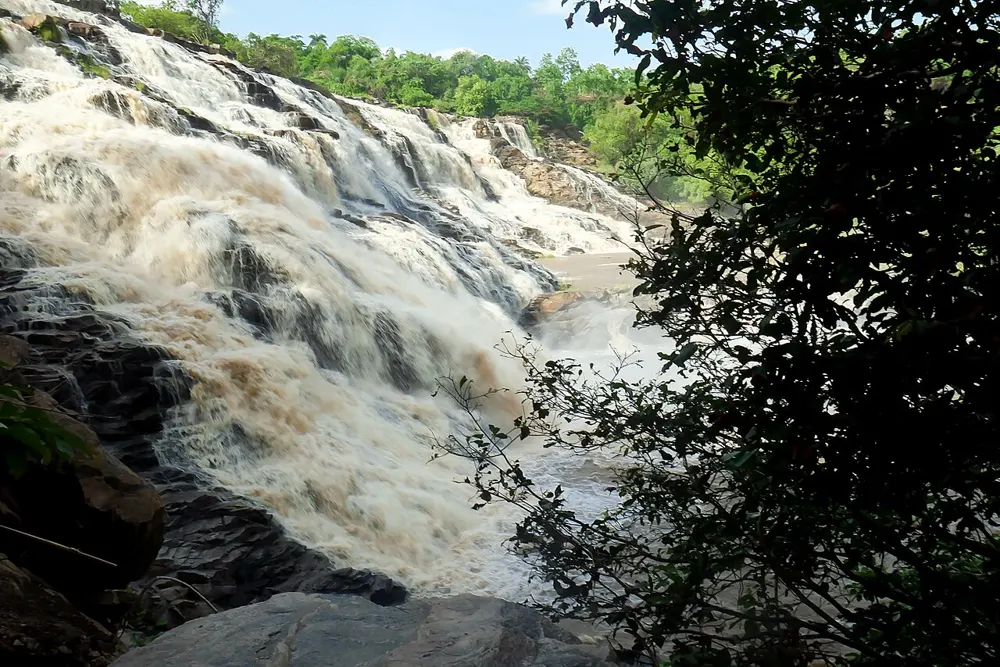
Image: Gurara Falls 2.jpg — Ahmeddizzy, CC BY-SA 4.0 · source
Before Gurara became a picnic destination, people came to its waters with prayers, offerings and fears of the gods believed to live there.
In Niger State, between Suleja and Minna, a wide river spills over a long shelf of rock. In the rainy season it roars. In the dry season it splits into quieter streams. These are Gurara Falls.
The Gwari people who live nearby say two gods lived in the water, Gura and Rara. Put them together and you get the river's name.
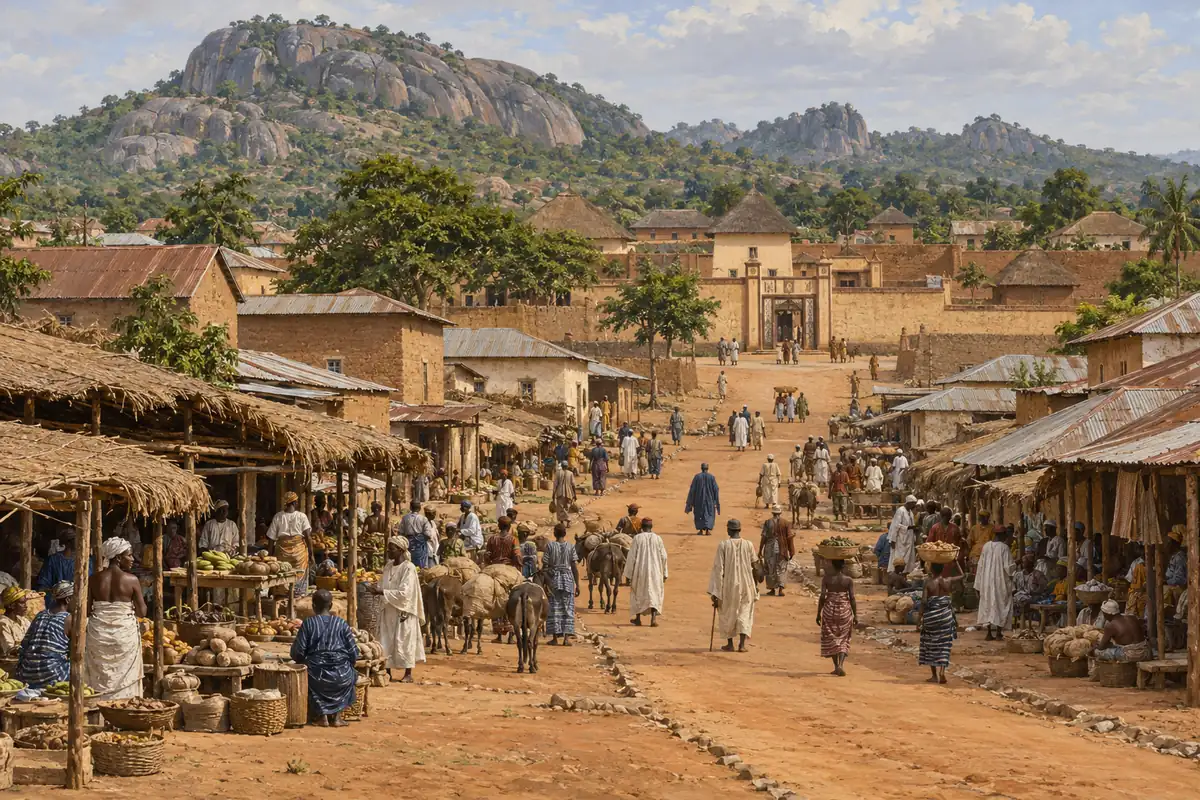
For a long time, ordinary people did not go near. A waterfall attendant, Yakubu Dan-Juma, told a reporter in 2019 what the old people believed. Only kings and priests could safely approach. Anyone else who came uninvited might fall ill, or die. But people with a real problem, a sickness, a barren marriage, still came quietly, with prayers and offerings, hoping the gods would listen.
Who found the falls? Local tradition names a Gwari hunter called Buba, in 1745. Like most hunters' stories, it is told, not written. Some accounts go on to say the falls were "discovered" by a European in 1925.
That is an odd idea. By 1925 the falls had a name, two gods and centuries of prayers. At most, a European saw them for the first time.
Today Gurara is a day trip from Abuja. Families come for picnics and photos on the rocks. Nobody can agree exactly when the offerings stopped, or if they all did.
For the villagers, the river never stopped being ordinary as well as sacred. Dan-Juma described people fishing below the falls and fetching water for their homes. They did that for generations, alongside the prayers.
You don't need to believe in Gura and Rara to enjoy the view. But it is worth knowing that people once stood where the picnickers stand, quietly asking the water for help.