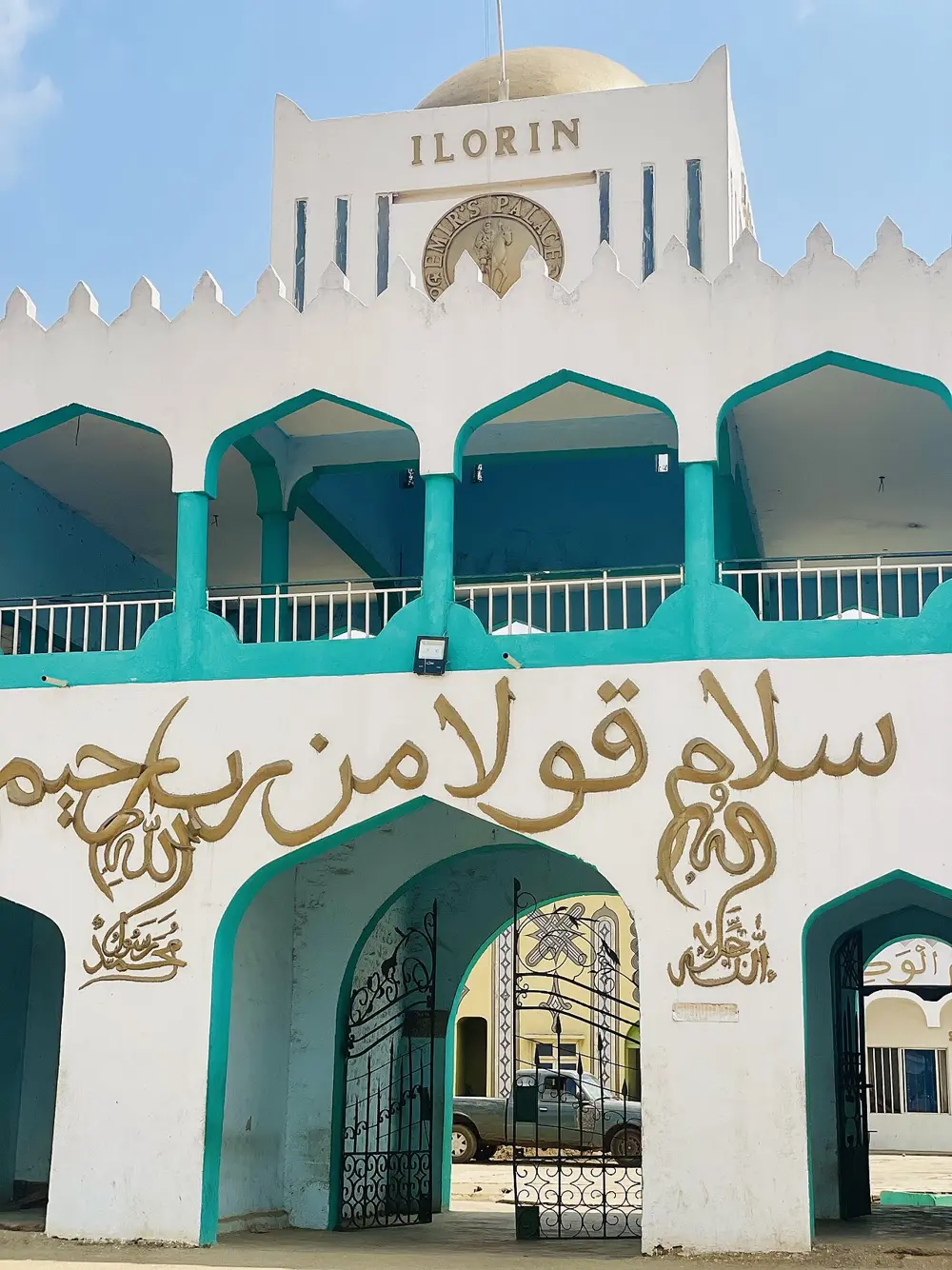
Place name · Early 1800s to late 1970s
Image: Suleja Landscape.jpg — YarimanBariki, CC BY-SA 4.0 · source
Before Abuja became Nigeria's capital, the name belonged to a town whose founder had followed his brother into exile.
Around 1804 the jihad came to Zaria. Fulani forces took the old Hausa capital of Zazzau, and its king, Muhammadu Makau, fled south with whoever would follow him. One of those who followed was his brother, Jatau.
They walked a long way. They ended up among the Koro people at a place called Zuba, strangers in someone else's land, a king without a kingdom. Makau ruled what was left of his court there until he died in 1825. Then the brother took over.
Jatau had a nickname. People called him Abu Ja, Abu the red, because of his light skin. ("Ja" means red in Hausa.) Around 1825 to 1828, the accounts differ, he founded a new walled town, and it took his name: Abuja.
It was a tough little place. Zaria's new rulers tried more than once to bring it to heel. Abuja held out. The exiles kept their independence for generations, under their own emirs.
Fast forward to the 1970s. Lagos was jammed, and it was trying to be both a state capital and the capital of Nigeria. A panel led by Justice Akinola Aguda recommended a new capital in the middle of the country. In 1976 the Federal Capital Territory was created, on land just south of old Abuja.
The new city needed a name. It took the old town's. And the old town? It was renamed Suleja, after its reigning emir, Sulemanu Barau.
So head north out of the Federal Capital Territory into Niger State and you reach the real Abuja. It has a different name now, and the city that borrowed its name has grown far bigger. But it was founded two centuries ago by a refugee prince whose friends called him red.