Lost history · 1929
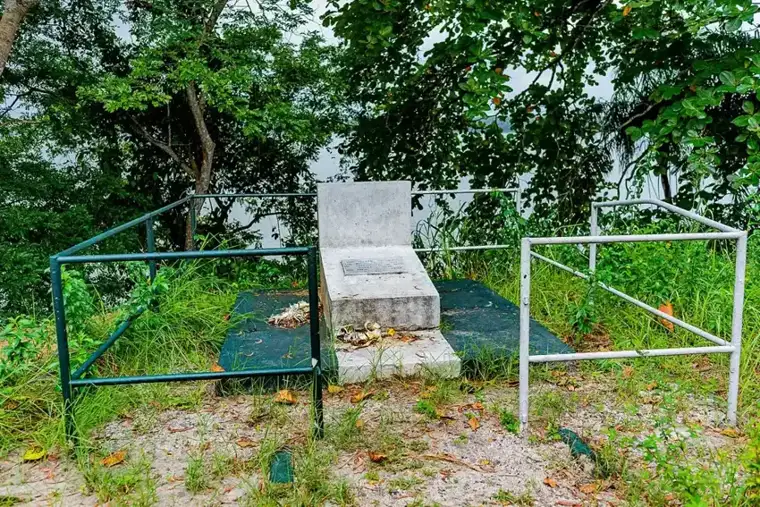
Image: The Mock Grave of the 1929 Women Riot.jpg — Dappa Solomon, CC BY-SA 4.0 · source
It started with one question about goats. It ended with thousands of women shaking colonial rule in the east.
In 1929 the British had already taxed men in southeastern Nigeria through 'warrant chiefs', local men they appointed and who were often hated. Now officials were counting people and property again, and women feared they were next.
In November 1929, in the village of Oloko near Bende, a census man named Mark Emeruwa asked a woman named Nwanyeruwa to count her goats and people. She angrily asked whether her mother had been counted. Word spread through women's networks with astonishing speed.
Igbo women had an old way of shaming a man who misbehaved: gather at his home, sing about his wrongs, dance, and refuse to leave. The women now did this to warrant chiefs and colonial offices across Owerri and Calabar provinces. Tens of thousands took part, and some courts and stores were attacked.
What astonished officials most was the organisation. Women already belonged to networks of their own: market associations, meetings of wives married into a village, gatherings of daughters born there. News moved along these networks from market to market, by word of mouth and, it is said, by palm fronds passed from hand to hand as a signal.
The women dressed for war in their own way, with faces smeared with charcoal or ash, wearing loincloths and carrying sticks wreathed in young palm leaves. They sang mocking songs at the warrant chiefs and demanded their caps of office. Several chiefs gave them up. No colonial planner had imagined that the strongest opposition in the east would come from market women.
In December, troops fired on crowds at places including Utu Etim Ekpo and Opobo. More than fifty women were killed. Yet the women won something: no tax on women, and the warrant chief system was reformed. Historians now see it as one of the first great challenges to colonial rule in West Africa.
In 1930 two commissions of inquiry examined what had happened. Their reports, and the women's own testimony to them, are why historians today know so much about what the women said and wanted.