Place name · 1400s
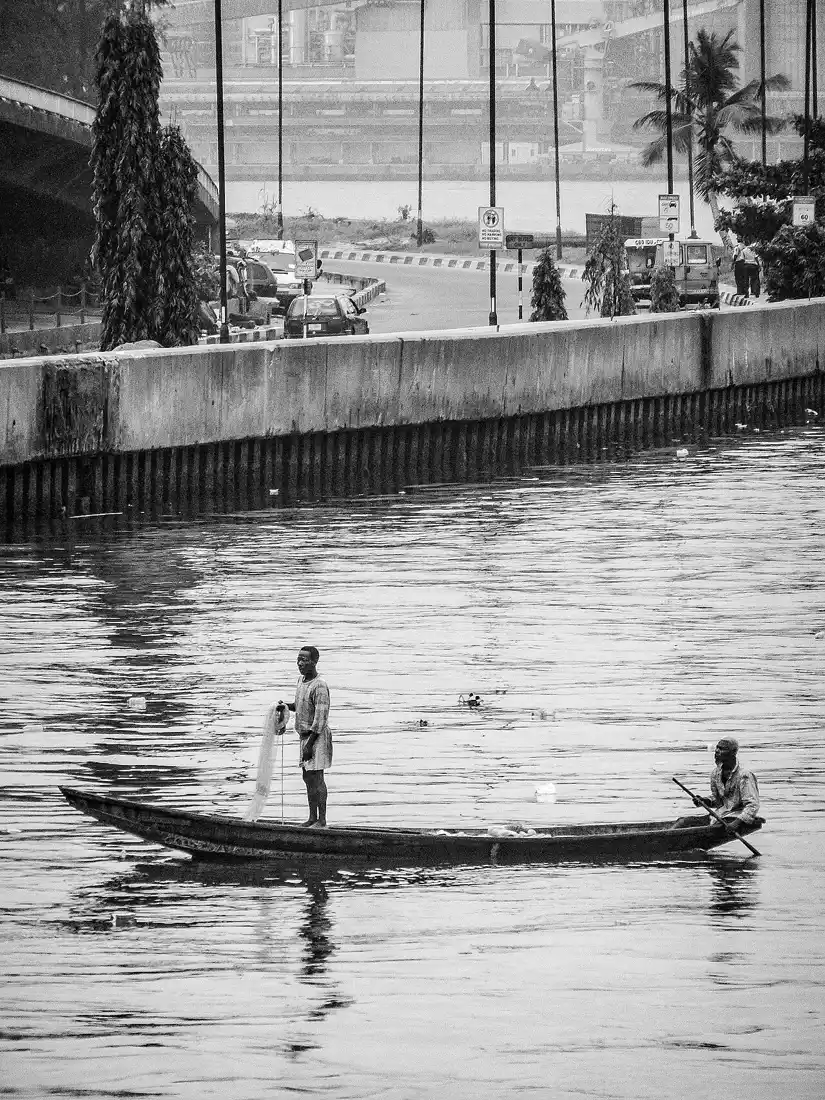
Image: Fishermen making an early morning catch at the Marina section of the Lagos Lagoon. .jpg — Pius-Imue Favour, CC BY-SA 4.0 · source
One name came by ship from Portugal. The other is older, and nobody fully agrees what it means.
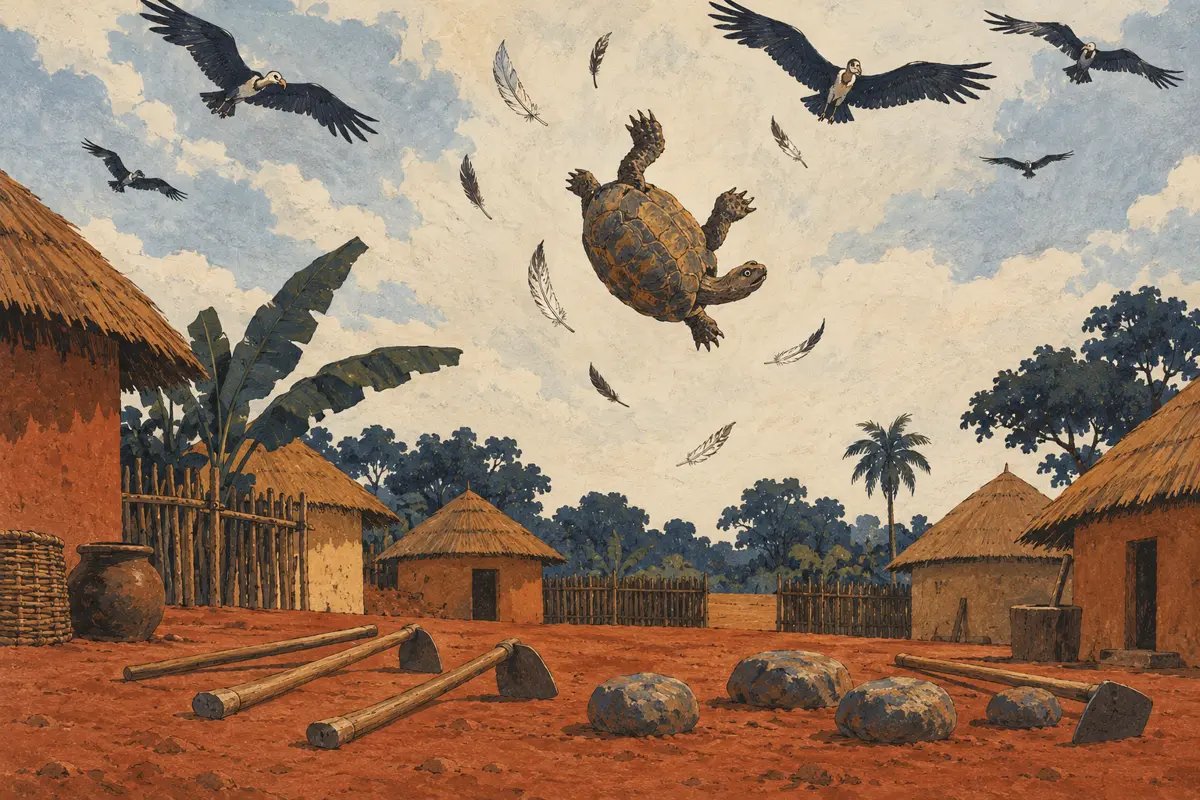
Long before any ship arrived, the island was home to Awori Yoruba fishermen and farmers. Their town was Eko, and many Lagosians still call it that today. Later, the island came under the influence of the kingdom of Benin, and its royal line, the Obas of Lagos, trace links to Benin.
Here the experts split. One account says Eko comes from a Benin word for a war camp, from the time Benin soldiers held the island. Another links it to the Yoruba word oko, a farm or farm settlement. Both stories are told with confidence, and the evidence for each is thin.
In the 1470s Portuguese sailors came along this coast. They saw lagoons and waterways everywhere and used the word lagos, 'lakes'. Many think they were also thinking of Lagos, a port town in southern Portugal. The name stuck on maps, and the British kept it.
Eko grew into a kingdom of its own. Its kings, the Obas of Lagos, ruled from Iga Idunganran, the palace on Lagos Island, and the island became a busy port. Sadly, much of that trade in the 1700s and 1800s was in enslaved people, and in 1851 the British bombarded the town, claiming they were ending the trade. Ten years later, in 1861, Lagos was annexed as a British colony.
From there the city spread off the island onto the mainland, swallowed fishing villages, and became the biggest city in Nigeria. Yet look closely and the old layers are still there: the palace, the fishermen on the lagoon at dawn, and the word Eko painted on buses, bridges and the backs of keke.
Today Lagos is the official name, but 'Eko o ni baje', Eko will not spoil, is still the city's proud motto. Two names, two histories, one city.