Custom · Traditional to present
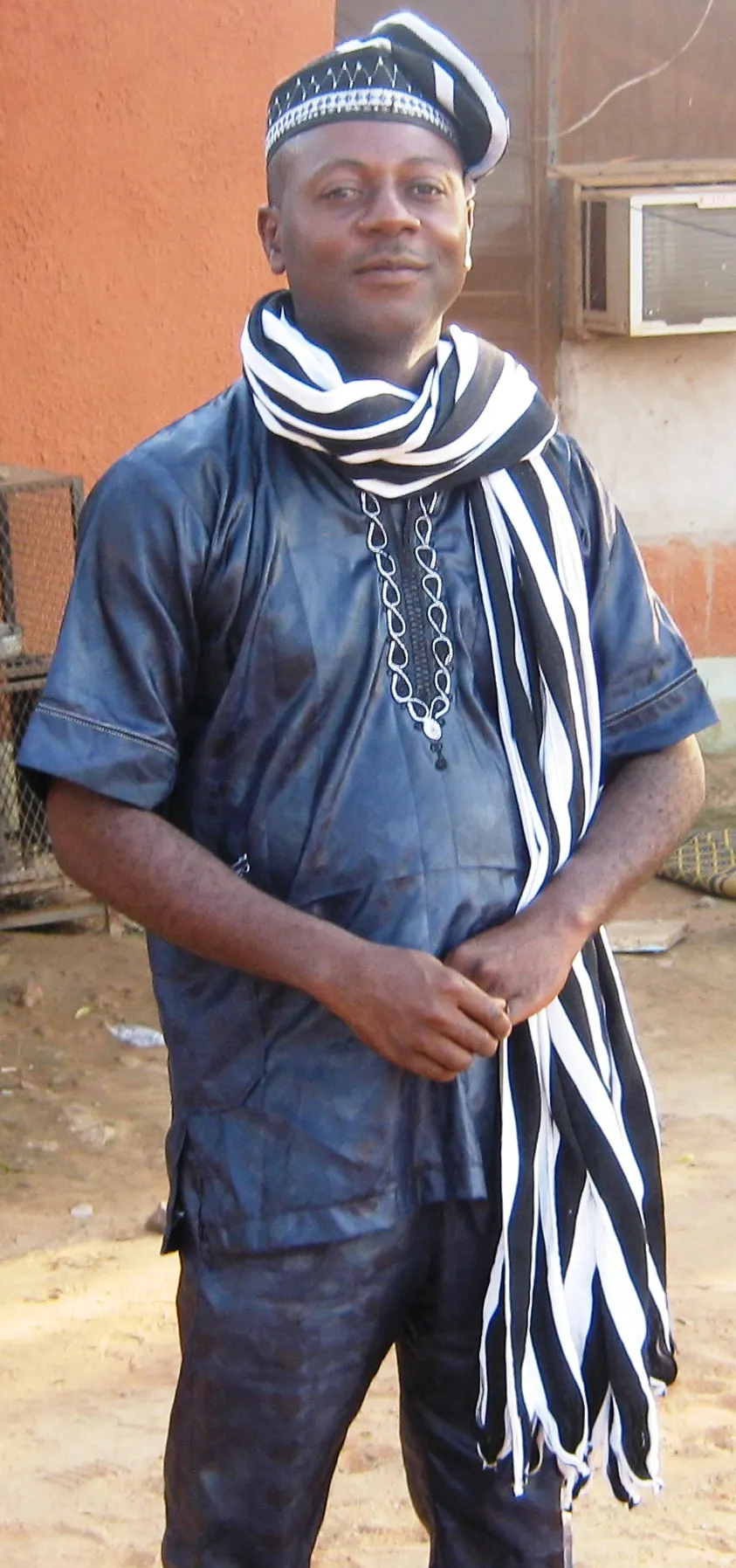
Image: TIV TRADITIONAL ATTIRE.JPG — Joey terry 007, CC BY-SA 4.0 · source
Behind the familiar black-and-white stripes is a story of bark cloth, borrowed skills, a remembered animal and a roadside market in Makurdi.
Long before anyone wore A'nger, the Tiv dressed in trees. An old Tiv historical account, retold by the Tiv association in Britain, MUTUK, says men and married women wore cloth made from the bark of a marsh tree called po. You peeled the bark, beat it until the rough outer skin came away, and what was left was soft enough to wrap round your body. They called it nyagba. Unmarried girls and small children, the account says, often wore nothing at all.
Cotton came later, and the Tiv did not invent it. The same account says they learned of it from the Uke, a neighbouring people, and taught themselves to spin it into thread. It did not work at first. They kept at it until it did. The skill of weaving came from outside too, from the Abakwa. For a while they bought their cotton from other places, until they learned to grow it themselves, planting it on the sides of old yam heaps rather than on top.
The first Tiv cloth was woven in narrow strips, sewn edge to edge to make something wide enough to wear. Some cloths were plain white, some had spots or stripes, and very quickly cloth stopped being only about covering the body. It began to show who you were. One white cloth, tugudu, was worth so much that the old account says a bull could be traded for five yards of it, and a cow for ten. The American anthropologists Paul and Laura Bohannan, who studied the Tiv economy, found the same thing. In their account of the Tiv economy, white cloth sat in the same class as brass rods and cattle, the goods a man used to build wealth and standing, never just to buy food.
Where did all this weaving settle? Nearly every account points to Kwande. The Daily Trust calls it the ancestral home of the Tiv, and older Tiv writers, Akiga Sai among them, named Kwande the cradle of the people and the keeper of their weaving. One Benue writer, Ingyur, went further and said the cloth is as old as the Tiv departure from Swem in the Cameroons, the place they remember as their first home, centuries ago.
The Tiv have their own story for the stripes, and it is about an animal they lost. When their ancestors were on the move, the story goes, they hunted zebra for meat and for the striped skins they wore at ceremonies. Then they settled in the Benue valley and found there were no zebras there. So when they learned the loom, they wove the zebra back. Black and white, stripe after stripe, so the old skins would not be forgotten. Both Wikipedia and MUTUK tell it this way, and MUTUK adds that many Tiv read the colours as a kind of harmony, black for a proud African people and white for peace, like the zebra itself, which they see as a calm, harmless creature.
Nobody can prove it. The Daily Trust, writing in 2012, said plainly that the cloth's beginning could not be dated. All that is sure is that it is very old, and that it started in Kwande before spreading across Tivland and beyond. The Daily Trust credits the early weavers of the Dzurgbe clan there with mastering it.
The cloth is still made by men, on horizontal strip looms. The African Art Archive notes that its bold parallel lines echo the lines of old Tiv body scarification, as if skin and cloth were speaking the same visual language. It also says A'nger is the best documented and most widely surviving kind of Tiv object, ahead even of their carvings.
What began as a simple wrap around the body has grown into full robes. The Tor Tiv, the paramount ruler, and the chiefs below him wear A'nger gowns, and even their necklaces are black and white to match. Around the twentieth century, a study of Kwande weavers notes, machine-spun yarn, synthetic thread and foreign dyes began to replace the homegrown materials, but the stripes stayed.
In 2012, a Daily Trust reporter, Hope Abah, went to the roadside stalls in North Bank, Makurdi, where travellers coming in from the Abuja and Lafia road slow down. Traders hung out their cloth in every style to catch the eye of passing drivers. Under the trees nearby, weavers sat working on new pieces.
Gabriel Gpande, who ran the Nico traditional attire stand and had been in the trade for ten years, said there were twelve types of cloth. He reeled off names like Ivetyoo, Mura-utib, Shudeen, Gurugu, Chado, Lishi and Tugudu. Ivetyoo, he said, was really for women of high standing. Mura-utib was the dearest, because of the thread it needed. Cheap pieces went for two thousand naira, good ones for up to six thousand. Christmas into the New Year was his best season, he said, because that is when the big events happen and the road is busiest, so travellers stop to buy. Some customers paid for a single piece, others ordered in quantity, depending on the occasion and how many guests they expected. Some people had started giving the cloth nicknames like "Benue United" and "Holy Family".
Popular opinion, the paper said, held A'nger above all of them, because it is the cloth used to dress an outsider who is being given a Tiv traditional title. The men wear it as a flowing wrapper tied across the shoulders over trousers, with a fitted cap, a spear in one hand and a horsetail in the other. The women wear it as a wrapper with a blouse and headgear to match. Chiefs wear it to council meetings in Gboko, the seat of the Tor Tiv.
The traders worried about the future. A designer, James Adu, wanted the state to build a whole A'nger village where cotton would be grown, spun and woven in one place. Another trader, Tyokohol Thaddeus, wanted a law telling lawmakers to wear A'nger in place of a tie. A young man, Terkula Moses, just said he did not feel comfortable going without it. "It is my pride," he said.