Lost history · 1960 to 1966
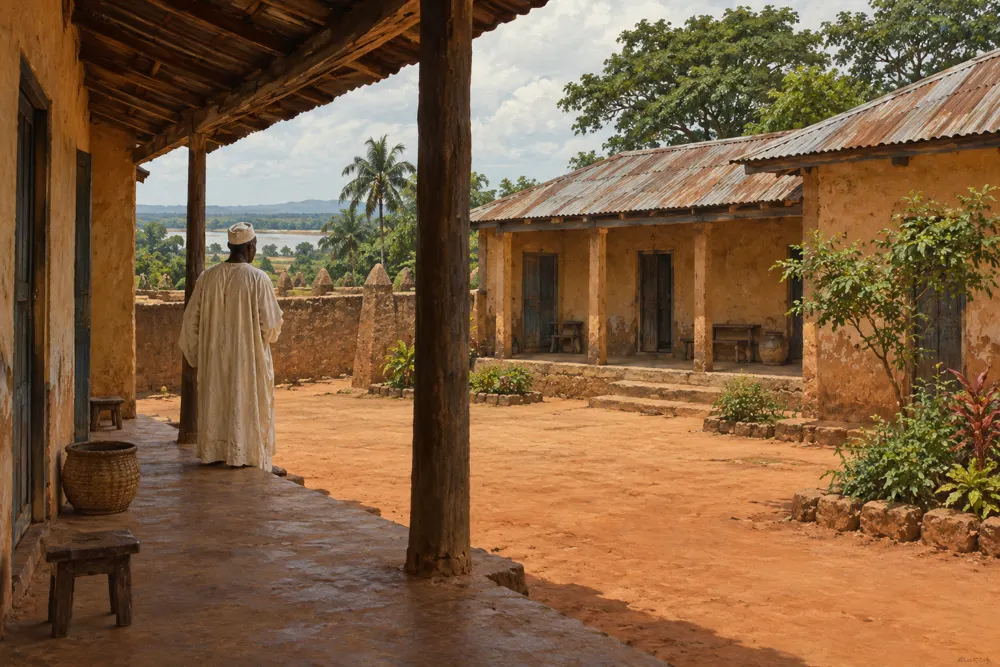
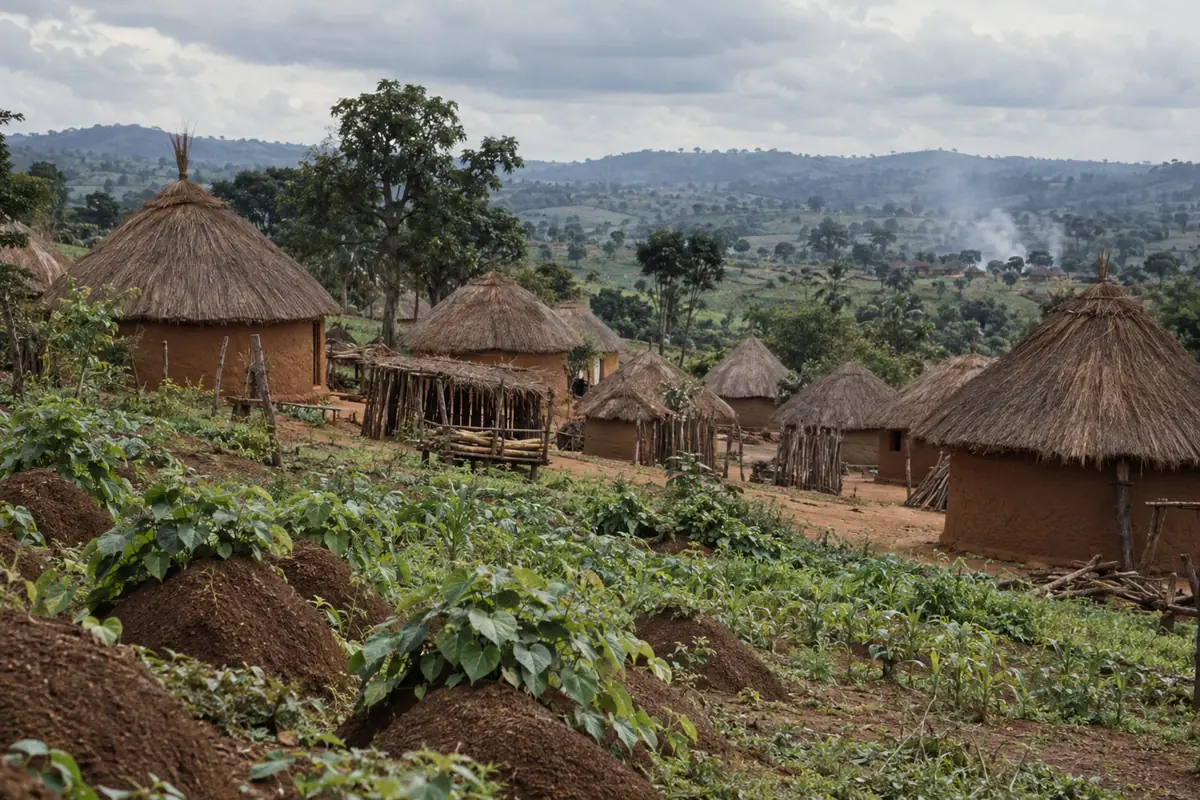
Image: Generated illustration — AI-generated for Naija Tales, reviewed for accuracy, Generated illustration, not a historical photo
Months after independence, Tiv Division exploded. The anger began at Yandev near Gboko and was aimed at chiefs, court members and tax collectors.
Most Nigerians grow up hearing that independence in October 1960 came with flags, songs and a lot of hope. In Tiv Division, in what was then Benue Province of the Northern Region, the mood was very different. Within weeks of the celebrations, parts of Tivland were on fire. The trouble did not come out of nowhere, and the best way to understand it is to start with an election.
In the run-up to the 1959 elections, the opposition United Middle Belt Congress, the UMBC, worked every corner of Tivland. Its leader there was Joseph Tarka, a man who would later become one of the best-known politicians from the Middle Belt. The campaign worked. According to the historian Bem Japhet Audu of the Nigerian Defence Academy, whose paper on the riots was quoted at length in the Nigerian Tribune, the UMBC took 85 per cent of the Tiv votes cast. The ruling Northern Peoples Congress, the NPC, which controlled the whole Northern Region, got only 10 per cent.
You would think a result like that would give the Tiv a say in how they were governed. It did not. Everyday power sat with the local Native Authority, and that body was stuffed with traditional members, village heads and district heads who leaned towards the regional government. Audu puts it bluntly: their inclusion circumvented the popular mandate. People had voted one way and were still ruled the other way.
So imagine being a Tiv farmer in 1960. You voted, your side won almost everything, and nothing about your daily life moved. The same faces still sat in the council. The same men still collected tax from you. The same court still decided your cases. That gap between the ballot and the reality is where this story really begins.
Audu lists what people were living with, and it reads like a slow boil. Taxation was arbitrary. Supporters of the opposition were victimised, and he says this was done without any discretion at all. Markets, which in a farming society are the heart of trade and of social life, were closed without good reason so often that it became the rule rather than the exception. And the native court, the place where ordinary disputes were meant to be settled fairly, was, in his words, notorious for flouting due process.
He also says the Native Authority exercised power without responsibility. That phrase carries a lot. It means people could be squeezed by officials who never had to answer to the voters who had so clearly rejected them.
The two political camps told completely different stories about what was happening. The NPC saw a plot. One of its men, Oradi, described the long chain of disturbances as a conspiracy by external forces, helped by selfish local politicians whose real aim was a Middle Belt State carved out of the North. In that telling, Tarka and his allies were stirring up trouble to break the region apart.
Tarka saw it the other way round. For him, the violence was the logical outcome of the NPC's own policies. He blamed the high-handedness of the local authority and of clan and kindred heads, arbitrary police raids, mass arrests, and the jailing of innocent people. He also pointed at the Ahmadu Bello Youth Brigade, the NPC's youth wing, and accused it of framing people for offences. By August 1960, Audu writes, UMBC supporters had simply run out of patience. The government had made it impossible for legitimate opposition voices to be heard, and in doing so had left itself open to violence.
The first explosion came in August 1960. People called this wave Nande Nande, and what stands out is how deliberate it was. The targets were not random. They were the clan and kindred heads, the court presidents and court members, the tax collectors, and, more generally, anyone known to support the NPC. In other words, the very people who stood for the grievances.
It started at Yandev, near Gboko. Audu writes that it then spread like wildfire to other parts of Tiv Division, and that the success of the Yandev revolt pushed people elsewhere in Tivland into action too. The title of his paper names riots in both 1960 and 1964, so this was not one bad season. Unrest came in waves across the first years of independence, and his real subject is how the authorities used force to put it down, breaking the old principle that a government should use only the minimum force needed.
The episode has a name in Tiv memory and in print. In 1971 Haroun al Rashid Adamu published an account titled Atem Tyough: The Tiv Revolt of 1960-1966. A copy survives as a pamphlet in the African ephemera collection at Indiana University, and his dates show how long the trouble lasted, stretching well past the first wave right up to 1966.
There is a lot we still do not know, and it is better to say so than to guess. The sources here do not give a reliable count of how many people died or were hurt. And the exact meaning of the phrase Atem Tyough is not confirmed in anything we read, so we are not going to translate it for you.
What is clear is this. In the first years of a free Nigeria, a whole division voted, was ignored, and then rose up against its own local rulers. It is one of the earliest post-independence revolts in the country, and almost nobody outside Benue talks about it.